Bankruptcy Can Stop Wage Garnishment, Foreclosure, and Collection Calls in Hawaiʻi
Bankruptcy, handled personally and without judgment.
Free and Confidential Questionnaire
What would help you the most right now?
Tap one to start. No obligation, and nothing to gather in advance.
Reviewed only by my office. Your information is never sold.
Prefer to talk? Call (808) 468-7000
Past President, Hawaiʻi Bankruptcy Bar AssociationOver 20 Years in the Hawaiʻi Bankruptcy Court

I represent people on every island, by phone, video, and in person.Available evenings and weekends, with affordable payment plans.
Memberships & Recognition


How I Can Help
When bankruptcy is the right tool, it usually takes one of two forms: Chapter 7 or Chapter 13.
Chapter 7 Bankruptcy
A clean slate that erases most unsecured debt, usually in four to six months, while in most cases letting you keep everything you own.
Chapter 13 Bankruptcy
A manageable three to five year repayment plan that can stop foreclosure, repay recent taxes, and protect co-signers.
What bankruptcy can fix
Credit Card, Medical & Personal Loan Debt
This kind of unsecured debt is usually erased completely in Chapter 7 or sharply reduced in a Chapter 13 plan.
Back Taxes & IRS Debt
Older income tax debt can often be discharged (legally wiped out) when it meets timing rules. Taxes that do not qualify can usually be repaid through a Chapter 13 plan instead.
Wage Garnishment & Lawsuits
A federal injunction (a binding legal order) called the automatic stay stops wage garnishments (other than for child support and alimony), bank levies, and debt-collection lawsuits as soon as I file your bankruptcy.
Car Repossession
Filing can stop a repossession, and Chapter 13 can let you catch up on missed car payments over time or restructure the loan.
Foreclosure
If you are behind on your mortgage, Chapter 13 can stop a foreclosure sale and let you catch up over time.
What makes my practice different
Federal Student Loan Discharge in Bankruptcy
Discharging student loans in bankruptcy was long considered nearly impossible. The truth is they always could be discharged, but the cases used to be so difficult and expensive that few ever tried. That changed in 2022, when a new federal process gave borrowers a clear path to discharge federal student loans.
Almost no one in Hawaiʻi has pursued it. I am now taking these cases. If you are carrying federal loans you cannot pay, let me look at your case and give you a straight answer. (I do not handle private student loans.)
Why People Work With Me
In more than twenty years and more than a thousand bankruptcy cases here in Hawaiʻi, this is what I see my clients value most:
- Hand the calls to me. As soon as you hire me, you can send your creditors to my office and stop taking the collection calls yourself.
- You work directly with me. When you call my office, you speak to me.
- Debt relief is all I do. I do not dabble in anything else.
- Flat fees and payment plans. I offer flat fees when I can and affordable payment plans so we can get you started right away.
- I meet when and how it works for you. By phone, by video, or in person at my Honolulu office, including evenings and weekends. Clients on the neighbor islands can do everything remotely, with no trip to Honolulu.
- A free credit rebuild program. Every client gets the 720 CreditScore program to help rebuild their credit after discharge.
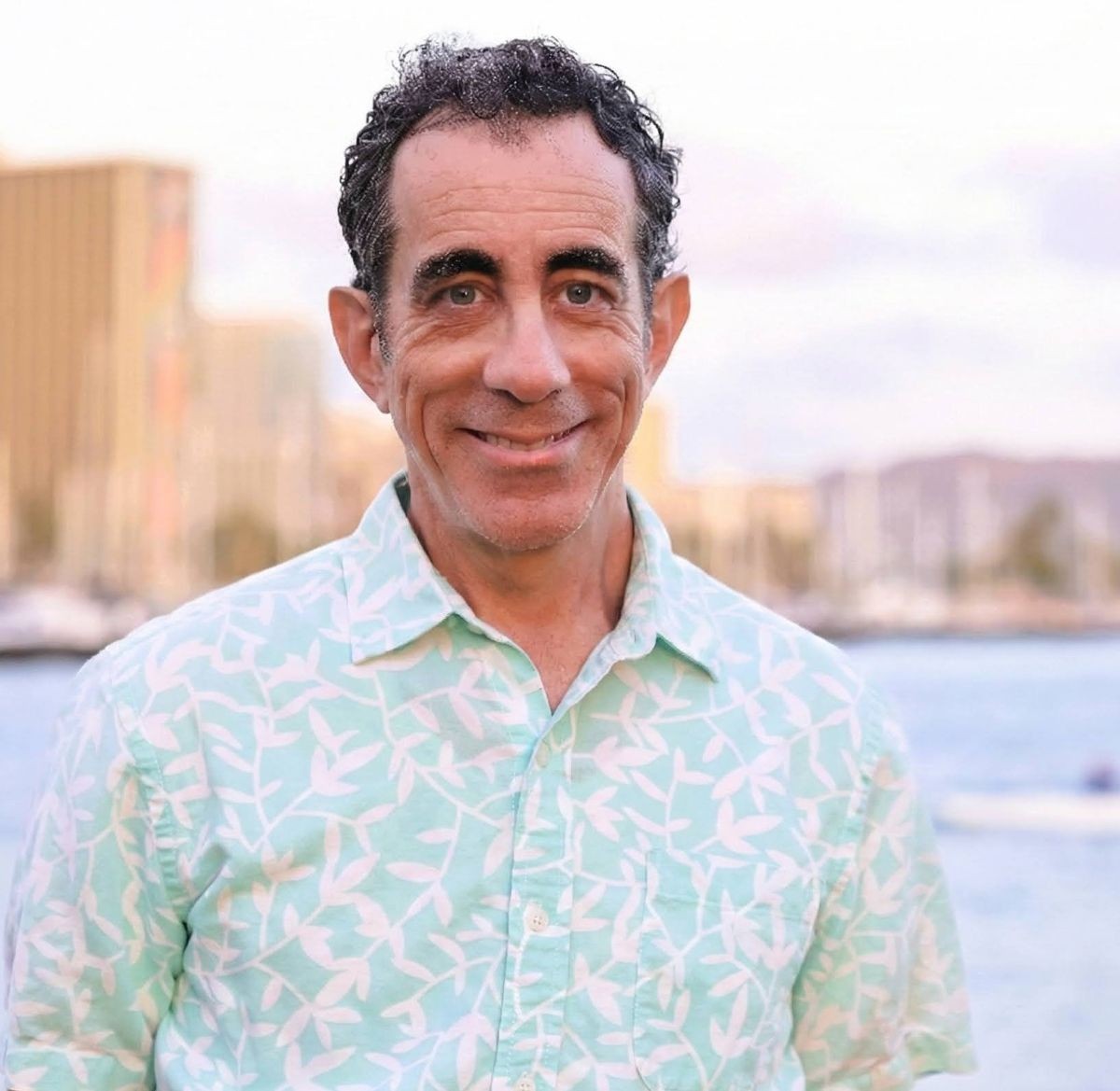
Results Matter. So Does Dignity.
Many of the people who come to me were hit by a medical crisis, a layoff, a business crash, or a divorce. Others simply made mistakes, and that is just as human.
It does not matter to me how you got here. The law does not ask you to be blameless, only honest, and everyone who qualifies deserves the same second chance. You will not be judged in my office.
My clients don't just value the results; they appreciate working directly with me and being treated with honesty and respect.
"I could not have asked for a better attorney."
"He gets everything done just like he says; I could not have asked for a better attorney... Marty is great and I highly recommend him. Plus he has a great personality and he's easy to talk to... Thank you for all your help and for making this experience less stressful than I imagined."
M. Rodriguez
"A Huge Sense of Relief."
"I felt a huge sense of relief after speaking with Martin and I'm hopeful for a better financial future thanks to his help. Highly recommended!"
A. Mattero
"Skilled, Honest, and Trustworthy."
"Martin was so skilled and knowledgeable handling our very complicated and bleak situation. He was honest and trustworthy. We are so grateful for all the time he put in for us!"
H. Grosse
"He Made Me Feel Like Family."
"I was really nervous about filing, but Martin made the whole process comfortable and easy to understand. He was so genuine and made me feel like family. I highly recommend Martin if you're looking for a good lawyer whose response time is quick and who truly cares about you."
C. Stokes
"Provided Me With Security."
"Your professional demeanor and dedication to my case not only provided me with security but truly went above and beyond my expectations."
S. Lorraine
"Fast, and Always in Touch."
"Martin was absolutely amazing in one of the most stressful times in my life. He is very patient and informative, and I felt very comfortable with him. He moved at the speed of lightning, and his communication was top notch, even on weekends. I could not be more grateful for all his help!"
T. Gordon
"Worth Every Penny 🤙🏽"
"Marty has made the process of bankruptcy easy... I totally recommend his service he's worth every penny... Thanks Marty you're the Man! 🤙🏽"
J. Bermudez
Every case is different and individual results vary.
Let's talk about your situation.
Tell me what you are facing and I will give you a straight answer. No cost, no obligation.
How It Works
- Start the short questionnaire. It is quick, confidential, and tells me what I need to know so I can see where you stand. There is no obligation.
- We talk it through during your free consultation. You speak directly with me about your debts, your property, and your goals. I tell you plainly whether bankruptcy is the right tool and which chapter fits.
- I file your case. The moment your case is filed, a federal injunction called the automatic stay stops collection calls, lawsuits, garnishments (other than for child support and alimony), and foreclosure.
- You attend one short meeting. About a month after filing, you have one short Zoom video meeting with your trustee, an independent official (not a judge), who reviews your paperwork. It usually lasts about ten minutes, and I am there with you.
- Your debts get discharged, meaning legally wiped out. In Chapter 7 that usually happens a few months after filing; in Chapter 13 it comes once you complete your three to five year repayment plan. Either way, we put a plan in place to rebuild your credit.

A free credit rebuild program
Filing is the start of your recovery, not the end. At no extra cost, every client gets the 720 CreditScore program to help rebuild their credit after discharge.
Common Questions
Can student loans be discharged in bankruptcy in Hawaiʻi?
Yes. Federal student loans can sometimes be discharged in a Hawaiʻi bankruptcy. They can be discharged if you prove that repayment would be an undue hardship, which requires filing a separate lawsuit within your bankruptcy called an adversary proceeding. A 2022 Department of Justice process made these cases far more realistic to file. Almost no one in Hawaiʻi has pursued this, and I am now taking these cases.
Do you handle private student loan discharge?
No. My practice is federal student loans, where a Department of Justice process can resolve many of these cases without a trial. I do not handle private student loan discharge.
Will I lose everything if I file bankruptcy in Hawaiʻi?
No. Most people who file keep everything they own. Hawaiʻi and federal exemption laws protect your home equity, your car, your retirement accounts, and your everyday belongings, each up to limits set by law. The large majority of consumer cases are no-asset cases, which means the trustee takes nothing and you still receive your discharge.
How much does it cost to file bankruptcy in Hawaiʻi?
Bankruptcy has two costs: the court filing fee and the attorney fee. I offer flat fees when I can and affordable payment plans, and I explain how the fee works at a free consultation, before you commit. My guide to what bankruptcy costs in Hawaiʻi breaks down both fees.
Can I get rid of back taxes by filing bankruptcy?
Yes. Older income taxes can often be discharged in bankruptcy if they meet timing rules. Trust fund payroll taxes and recent income taxes cannot be discharged, but a Chapter 13 plan can let you repay those over three to five years, often without continued penalties.
Should I file Chapter 7 or Chapter 13?
Whether you should file Chapter 7 or Chapter 13 depends on your income, your expenses, your property, and your goals. Chapter 7 erases most unsecured debt in a few months and is the right tool for many people. Chapter 13 is a three to five year repayment plan used to stop foreclosure, repay recent taxes, or handle debts that Chapter 7 cannot. It does require your secured and unsecured debts to fall under specific statutory limits. I will tell you which one fits after we look at your situation together.
Can bankruptcy stop a foreclosure or wage garnishment?
Yes. The automatic stay stops foreclosures, wage garnishments (other than for child support and alimony), bank levies, and debt-collection lawsuits as soon as I file your bankruptcy. Chapter 13 can also let you catch up on missed mortgage payments over time to save your home.
Will filing bankruptcy ruin my credit?
No. For most people it is the start of rebuilding, not the end. Filing does lower your score at first, but it also erases the debt that has been dragging your credit down. Many people see real improvement within twelve to twenty-four months. Every client I represent also gets the 720 CreditScore program to help rebuild it.
Will people know I filed for bankruptcy?
Unlikely. A bankruptcy is a public court record, but in practice few people ever find out. Your employer is not told unless it is already garnishing your wages, your friends and neighbors are not notified, and formal notice goes to the creditors you list, the trustee, and the court. For nearly all of my clients, filing stays private.
Will I have to go to court?
Most likely not. Your only required appearance is a short meeting with a bankruptcy trustee, not a judge, held by Zoom video. It usually lasts about ten minutes, and I am there with you the whole time.
How long does bankruptcy take?
A typical Chapter 7 case takes about four to six months from filing to discharge. Chapter 13 runs longer, three to five years, because it is a repayment plan. Either way, the protection from collection begins the moment I file your case.
Do you handle cases on the neighbor islands?
Yes. I represent clients on every Hawaiian island. I meet by phone or video, so you do not need to travel to Honolulu to work with me.
Ready when you are.
Start with the questionnaire, or call and we will talk it through.
Serving Every Island
I represent clients on Oʻahu, Maui, Kauaʻi, Molokaʻi, Lānaʻi, and the Big Island. Every Hawaiʻi bankruptcy is filed in a single federal court in Honolulu. I handle it there for you, by phone or video, evenings and weekends included.
This website is provided for informational and educational purposes only. It does not constitute legal advice and does not establish an attorney-client relationship. Bankruptcy law is highly fact-specific, so please contact my office for guidance on your situation.

Contact the Law Office of Martin Berger
Law Office of Martin Berger
Serving clients across Hawaiʻi.
Phone: (808) 468-7000
Email: martin [at] martinbergerlaw [dot] com
Web: www.martinbergerlaw.com
Office (by appointment, including evenings and weekends): Eaton Square, 438 Hobron Lane, Penthouse 1, Honolulu, HI 96815
Mailing address: PO Box 498, Honolulu, HI 96809
We are a debt relief agency. We proudly help people file for bankruptcy under the U.S. Bankruptcy Code.